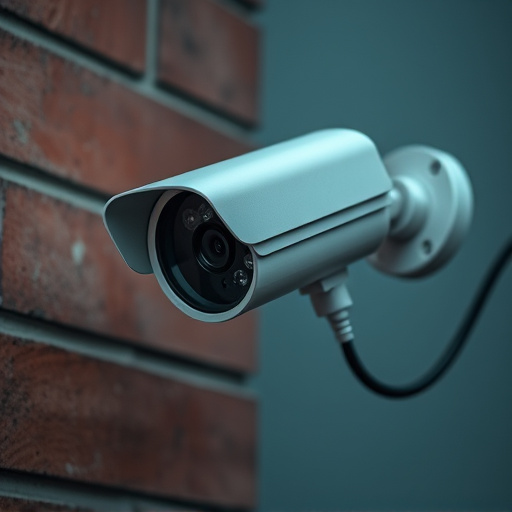
Using "fake" security cameras strategically as deterrents enhances property security without actual surveillance. The "Fake Security Camera Angle Guide" teaches optimal placement and angles for maximum effect, covering outdoor and dynamic pan-tilt models. Proper mounting in plain sight with regular maintenance maintains realism while adhering to local laws and regulations.
Uncover the hidden truth behind vacant security camera housing units—more common than you think. This guide explores the phenomenon of ‘ghost’ cameras, providing a comprehensive understanding of why they appear empty and how to identify them. From types and placement techniques to legal aspects and safety tips, we’ll equip you with the knowledge to navigate this intriguing world. Discover the art of detecting fake camera angles and stay informed in today’s surveillance landscape.
- Understanding Empty Camera Housings
- Types of Fake Security Cameras
- Placement and Angle Techniques
- Legal Considerations and Safety Tips
Understanding Empty Camera Housings
Empty security camera housing units, often referred to as “fake” or “dummies,” are an innovative solution for those looking to enhance their property’s security without the cost and hassle of installing active cameras. These housing units serve as visual deterrents, cleverly mimicking the presence of surveillance equipment. By strategically placing these dummy cameras around a property, homeowners and businesses can create the illusion of a comprehensive security system.
The “Fake Security Camera Angle Guide” is a valuable resource for anyone aiming to maximize the effectiveness of these devices. It provides insights into the art of positioning and angling the empty housings to best deceive potential intruders. With proper placement, these seemingly innocuous objects can become powerful tools in deterring crime, making them an attractive option for those seeking an affordable security boost.
Types of Fake Security Cameras
Fake security cameras, also known as decoy or dummy cameras, come in various forms and designs to suit different environments. One common type is the static Fake Security Camera, which resembles a real camera but remains fixed in place without any movement capabilities. These are often used as deterrents in businesses, homes, or public spaces to mislead potential intruders.
Another angle in the Fake Security Camera Angle Guide is the pan-tilt model. These replicas can mimic the panning and tilting motion of actual cameras, providing a more dynamic deterrent. They can be remotely controlled or programmed to move at set intervals, simulating real surveillance activity. This type is particularly effective for areas with varying obstacles or wide coverage requirements.
Placement and Angle Techniques
The strategic placement and angle of a security camera are paramount for its effectiveness as a deterrent and surveillance tool. When setting up a fake security camera, or even a real one, it’s crucial to consider the environment and intended purpose. For outdoor installations, placing the camera at eye level or slightly elevated provides a realistic and intimidating presence. Mounting it on a pole or wall ensures a clear view of entry points, such as doors, windows, or parking areas.
Guides like the Fake Security Camera Angle Guide can offer specific instructions on how to angle the camera for optimal coverage. Generally, pointing the lens slightly downward (around 10-20 degrees) helps capture intrusions without capturing too much sky or ground, preserving detail and context. This technique also allows for a broader field of view, ensuring no blind spots exist in your surveillance area.
Legal Considerations and Safety Tips
When using fake security camera angle guides or any decoy device, it’s crucial to understand the legal implications in your area. While these tools can help deter crime, certain jurisdictions have strict regulations regarding the use of surveillance technology, especially when it comes to privacy and consent. Make sure you’re aware of local laws and obtain any necessary permits before setting up fake cameras.
Safety tips include ensuring the devices are securely mounted to prevent them from becoming a hazard or being tampered with. Keep them in plain sight where potential criminals can easily see them, as the presence of security cameras often acts as a powerful deterrent. Regularly inspect and maintain these decoys to keep them functional and realistic-looking. Remember, proper placement and a genuine appearance are key to maximizing their effectiveness in enhancing your property’s security.
Empty security camera housing units, often used as decoys, offer a creative yet subtle approach to enhancing home or business security. By understanding the various types and techniques behind these fake cameras, from placement to legal considerations, you can create an effective visual deterrent. This comprehensive guide, acting as your Fake Security Camera Angle Guide, equips you with the knowledge to navigate this unique aspect of modern security measures, ensuring both peace of mind and strategic protection.