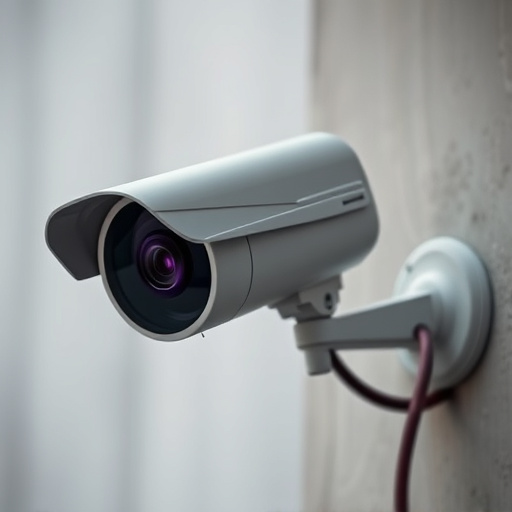
Mock surveillance systems featuring fake security cameras provide an affordable way to boost home or business security. Using a Fake Security Camera Angle Guide, strategically place these devices to cover blind spots and high-risk areas, creating the illusion of enhanced protection without the cost of traditional systems. The guide emphasizes optimal vertical and horizontal coverage, angle adjustments, and testing for effective, realistic security.
“Uncover the secrets of enhancing your home or business security with our comprehensive guide on mock surveillance system installation. Learn how fake security cameras, strategically placed, can deter crime and provide peace of mind. This beginner’s overview delves into the intricacies of camera angles for maximum coverage, offering a step-by-step installation process that ensures effective placement. Discover testing techniques to optimize performance and create an impenetrable virtual fortress with this Fake Security Camera Angle Guide.”
- Understanding Mock Surveillance Systems: A Beginner's Overview
- Choosing the Right Camera Angles for Maximum Coverage
- Installation Process: Step-by-Step Guide for Effective Placement
- Testing and Fine-Tuning: Ensuring Optimal Performance of Fake Cameras
Understanding Mock Surveillance Systems: A Beginner's Overview
Mock surveillance systems, also known as fake security camera guides, are an innovative solution for those seeking to enhance their home or business’s security without the cost and hassle of installing real cameras. These systems offer a realistic appearance and functionality while providing a sense of peace of mind. They come in various forms, from static models mimicking the look of traditional CCTV to dynamic setups with adjustable angles, designed to trick potential intruders.
For beginners, understanding these fake camera installations is key to effective home or business security. The angle guide plays a crucial role, allowing you to position the cameras strategically to cover blind spots and high-risk areas. By learning how to adjust these angles, you can create a comprehensive surveillance network that discourages unwanted visitors and provides valuable footage for review, all without breaking the bank.
Choosing the Right Camera Angles for Maximum Coverage
When setting up a mock surveillance system, understanding camera placement is key. The goal is to achieve maximum coverage while maintaining realism. Start by identifying strategic locations within the area to be monitored. Consider high points and blind spots—areas where a single camera can’t capture everything. For instance, mounting cameras on ceilings or walls at different heights offers versatile vision.
Remember, the best Fake Security Camera Angle Guide involves a combination of vertical and horizontal coverage. Positioning cameras at various angles ensures no gap goes unnoticed. Overlapping fields of view between cameras also enhances overall surveillance, creating a robust network that captures every angle, just like a real security system would.
Installation Process: Step-by-Step Guide for Effective Placement
The effective placement of fake security cameras, or mock surveillance systems, is a crucial step in enhancing real security measures and creating the appearance of a well-guarded environment. This process involves a strategic approach to positioning devices that can deter potential intruders and provide a sense of security.
Start by identifying areas that require heightened vigilance, such as entrances, exits, and valuable asset locations. Ensure the fake cameras have a clear view of these points while remaining unobtrusive to daily operations. Mounting them at eye-level or slightly elevated angles mimics real camera placements, adding realism to your security setup. Consider using adjustable mounts to allow for precise adjustments, catering to various landscape and interior design elements without compromising effectiveness.
Testing and Fine-Tuning: Ensuring Optimal Performance of Fake Cameras
After installing your fake security cameras, it’s crucial to test and fine-tune their performance for optimal results. Start by ensuring each camera captures the intended field of view without any obstructed angles or blind spots. Adjust the camera’s positioning or angle if needed, using our Fake Security Camera Angle Guide for precise adjustments.
Next, verify the video quality by streaming the feed to a connected device and checking clarity and resolution. Fine-tune night vision capabilities, motion detection sensitivity, and audio capture (if applicable) through the system settings to match your desired level of realism and security. Regular testing and adjustments will help maintain the integrity of your mock surveillance system, ensuring it remains an effective deterrent even when potential intruders know it’s not real.
Creating a robust security network with mock surveillance systems involves understanding camera angles, strategic placement, and meticulous fine-tuning. By mastering these aspects, as outlined in this Fake Security Camera Angle Guide, you can effectively deter potential threats and maintain peace of mind. Implement the step-by-step installation process, consider camera angle best practices, and consistently test and adjust your system for optimal performance. With these measures in place, you’ll enjoy enhanced security without breaking the bank.